On-page vs off-page optimization: A practical guide

Amogh Sarda

Katelin Teen
Last edited February 1, 2026
SEO can feel like a massive puzzle, but it really comes down to two main pieces: on-page and off-page. A lot of people know they need to do SEO, but they're not sure where to begin. Should you focus on building backlinks? Or is it better to perfect your website's content? The answer is both, but the order you do them in really matters.
This guide will clear things up. We’ll break down what on-page and off-page SEO are, what makes them different, and how they work together to get you the results you want.
The most important thing to know is that a solid on-page SEO foundation is the first, non-negotiable step. It’s the part you have complete control over, and getting it right makes everything else much easier. Building out that foundation with great content can be a huge bottleneck, which is why tools like the eesel AI blog writer exist. They help you generate quality, publish-ready content and get your on-page SEO sorted out quickly.
What is on-page optimization?
On-page optimization, sometimes called on-site SEO, covers everything you do directly on your website to improve its search engine ranking. These are the factors you have 100% control over, from the words on the page to the code underneath.
The main goal is simple: make it incredibly easy for both search engines and people to understand what your content is about and why it’s relevant to their search.
Think of it this way: on-page SEO is like making sure a book has a clear title, logical chapter headings, and well-written text. It’s all about organizing your information so it's easy to read and understand. Without that structure, the book is just a jumble of pages, no matter how great the ideas are.
What is off-page optimization?
Off-page optimization includes all the actions outside your website to boost its authority and ranking. This is all about building your website's reputation across the internet.
The primary goal here is to show search engines that other people find your content valuable and trustworthy. You're basically collecting a portfolio of recommendations from around the web.
To stick with the book analogy, if on-page SEO is the quality of the book itself, off-page SEO is the number of positive reviews and expert recommendations it gets. A book can be perfectly written, but it gains real authority when other respected authors start talking about it. Those external signals tell the world that this book is worth reading.
A closer look at factors in on-page vs off-page optimization
On-page SEO isn't just one thing. It's a mix of content quality, site structure, and a few technical details. Nailing these elements is how you build a strong foundation. Let's break down the most important ones.
Content quality and keywords
This is the heart of on-page SEO. You need to create readable content. That means it has to be high-quality, original, and, most importantly, it has to match what the user was searching for. When someone lands on your page, they should find exactly what they wanted.
Keywords are the bridge between what people search for and the content you provide. Good keyword research helps you understand the words and phrases your audience is using. Then, you need to naturally weave those keywords into your content, headings, and meta descriptions. This isn't about stuffing keywords everywhere; it's about using them to clearly signal what your page is about.
Page structure and user experience
How you structure your page has a big impact on both users and search engines. A well-organized page is simply easier to read and understand.
- Title Tags & Meta Descriptions: These are the first things a user sees in search results. Your title tag is the clickable headline, and the meta description is the short summary below it. A clear, compelling title and description can seriously improve your click-through rate.
- Headings (H1, H2, H3): A logical heading structure acts like an outline for your page. It breaks up your content, makes it easier for people to read, and helps search engines quickly grasp the main points of your article.
- Internal Linking: Linking to other relevant pages on your own website is a must. It helps visitors discover more of your content, keeping them on your site longer. It also helps search engines understand how your pages are related and spreads authority.
Technical on-page elements
While content and structure are the main event, some key technical factors can affect your on-page efforts.
- Page Speed: Nobody likes a slow website. Pages that load faster provide a better user experience, which search engines like Google see as a good thing.
- Mobile-Friendliness: A huge amount of internet traffic comes from mobile devices, so your site has to look and work perfectly on a small screen. A responsive design that adapts to any screen size is essential.
- URL Structure: A clean, descriptive URL (like
yourwebsite.com/blog/on-page-seo-guide) helps both users and search engines understand what the page is about before they even click. - Image Alt Text: Alt text is a short written description of an image. It's important for accessibility (for users with screen readers) and also gives search engines context about the image, which can help your images show up in image searches.
Core components of off-page optimization
Off-page SEO is all about building your website's authority and reputation. It’s about generating signals from other places on the web that tell search engines your site is a credible source of information.
Backlinks as votes of confidence
Backlinks are just links from other websites pointing to yours. Search engines see them as votes of confidence. When another site links to your content, they are essentially vouching for its quality.
But it's important to understand that quality matters far more than quantity. A single backlink from a highly respected website in your industry is worth more than hundreds of links from low-quality sites. The goal is to earn links from sources that are relevant and trusted by search engines.
Common ways to build good backlinks include creating exceptional content that others naturally want to link to (like original research or detailed guides) and guest blogging on reputable sites in your niche.
Brand signals and digital reputation
Backlinks are a huge piece of the off-page puzzle, but they aren't the only one. Other signals help build your digital reputation.
- Brand Mentions: Even when a website, forum, or social media post mentions your brand name without linking to you, search engines can pick up on it. These unlinked mentions add to your overall brand authority.
- Online Reviews: Positive reviews on platforms like Google Business Profile, G2, or Capterra build trust with potential customers. They are also a big factor in local SEO, helping businesses appear in map-based search results.
- Social Media: While social media shares and likes aren't a direct ranking factor, an active social presence is still important. It gets more eyes on your content, drives traffic to your website, and encourages brand mentions, all of which indirectly helps SEO.
On-page vs off-page optimization: Where to focus first
This is the big question, and the answer is clear: on-page SEO always comes first.
Think of it like building a house. Your on-page SEO is the foundation. It’s the structure, the layout, and the quality of the materials inside. Your off-page SEO is the curb appeal and the word-of-mouth that gets people to visit. You can't put a strong roof (off-page) on a weak foundation (on-page).
Driving traffic to a poorly optimized site is a waste of time and money. If visitors arrive and find a slow, confusing website with content that doesn't answer their questions, they'll leave right away. That sends negative signals to search engines, which can hurt your rankings. You have to get your own house in order before inviting people over.
Start with on page. Everything else doesn’t matter if your on page seo sucks. Then go to off page seo to get backlinks to build your authority in your content. Once you start getting authority and traffic focus on technical seo to improve speed and minute changes to get full exposure

Using the eesel AI blog writer to build your on-page foundation
The most demanding part of building a strong on-page foundation is consistently creating high-quality, optimized content. This is where most strategies fall apart. It's tough to find the time and resources to research, write, edit, and format blog posts regularly.
The eesel AI blog writer is a platform designed to solve this exact problem. It can turn a single keyword into a complete, publish-ready blog post in minutes, handling the heavy lifting of on-page SEO for you.
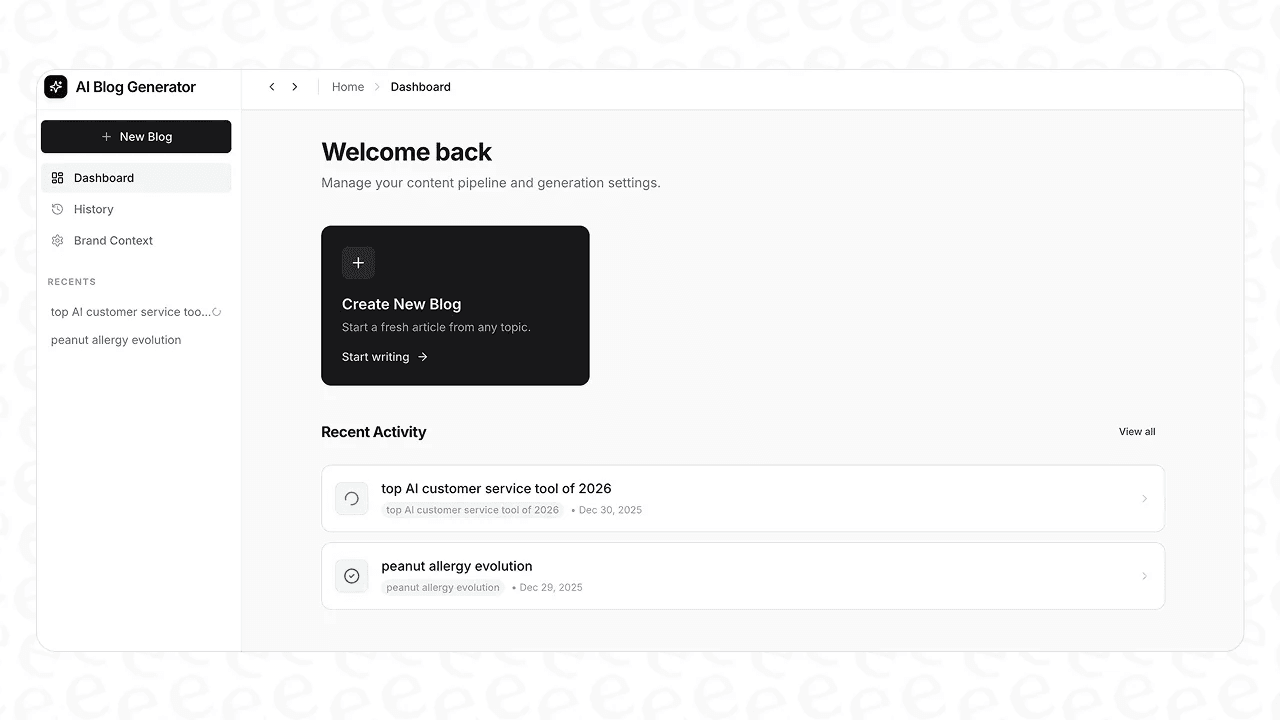
Here's how it directly helps your on-page efforts:
- It automatically creates content with an SEO-friendly structure, including a proper hierarchy of headings.
- It conducts deep, context-aware research to produce content that is genuinely informative and sounds human.
- It improves user engagement by automatically generating and embedding visual assets like images, infographics, and tables.
- It builds credibility by finding and embedding relevant Reddit quotes and YouTube videos, adding real-world context to your posts.
This is the same approach we used at eesel AI to grow our organic traffic from 700 to 750,000 daily impressions in just three months by publishing over 1,000 optimized blogs.
You can enter your target keyword and brand details, and the platform generates a fully-formed article, complete with all the on-page elements needed to rank.
Building a balanced on-page vs off-page optimization strategy
On-page and off-page optimization aren't opponents; they're two sides of one coin. On-page SEO makes your site understandable and useful. Off-page SEO builds its authority and proves its credibility to the web. You can’t have long-term success without both.
Start by building a solid foundation with excellent on-page SEO. Focus on creating valuable, well-structured content that serves your audience. Once that's in place, you can amplify your efforts with off-page strategies to build the authority your content deserves.
For a more detailed walkthrough of how these two SEO components work together, check out this video which provides simple tips to help you rank higher.
Your on-page foundation starts with great content. Generate your first SEO-optimized, publish-ready blog post in minutes.

Frequently Asked Questions
Share this article

Article by
Amogh Sarda
CEO of eesel AI. Amogh Sarda is obsessed with making the ultimate AI for customer service teams. He lives in Sydney, Australia and has previously worked at Atlassian and Intercom. Outside of work he’s usually surfing or on stage doing improv.
