AI support vs human support: Finding the right balance in 2026

Stevia Putri
Written by

Stevia Putri

Last edited March 23, 2026

Banner image for AI support vs human support: Finding the right balance in 2026

The debate around AI support vs human support has reached a fever pitch. Headlines swing between "AI will replace all customer service jobs" and "Customers hate chatbots and want humans back." Both miss the point.

The question was never which one wins. It's how you combine them.

At eesel AI, we see this play out daily. Companies that treat AI as a replacement for humans tend to stumble. Companies that treat AI as a teammate, something that handles what it's good at while freeing humans for what they're good at, tend to thrive. Here's what that actually looks like.

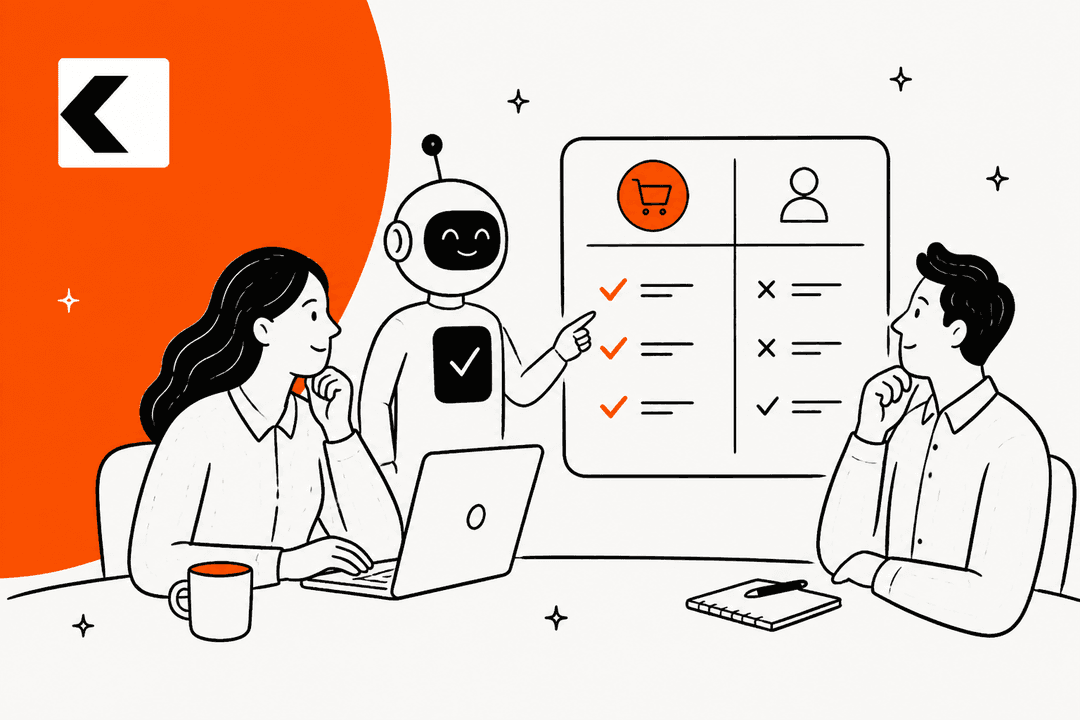
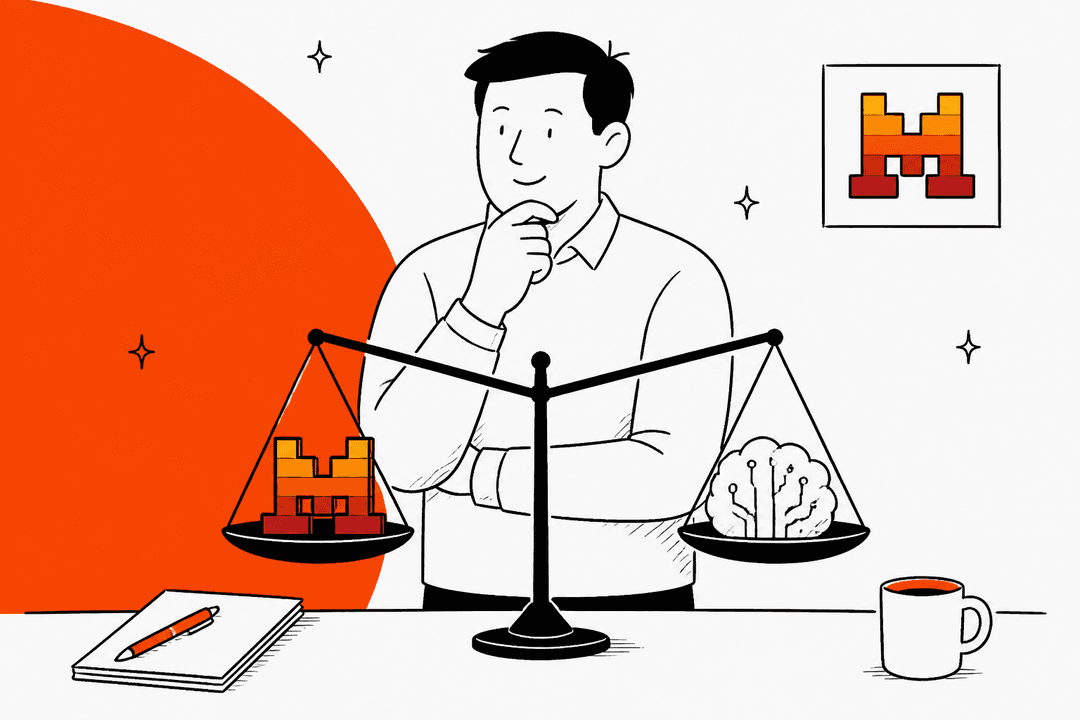
AI speed combined with human empathy creates balanced support

The real question isn't "which is better"

Framing this as AI support vs human support creates a false choice. Customers don't care whether they're talking to a bot or a person. They care about getting the right help, at the right time, in the right way.

A customer with a simple password reset at 2 AM doesn't want to wait for business hours. They want instant resolution. But a customer dealing with a billing error on their daughter's birthday party deposit wants empathy, judgment, and the confidence that someone actually understands their frustration.

The best support operations don't force customers to choose. They build systems where AI and humans each handle what they do best, with seamless handoffs between them.

This isn't theoretical. According to HubSpot's State of Service Report, 77% of service teams already use AI, with 92% reporting faster response times and 86% seeing higher customer satisfaction. A separate Forbes analysis confirms that striking the right balance between AI efficiency and human empathy remains a critical challenge for businesses. Yet 95% of consumers still say human support matters for complex or emotional issues. The data points to the same conclusion: you need both. Research from Kustomer shows that companies blending AI efficiency with human empathy see the strongest outcomes.

Where AI support excels

AI performs well in situations where speed, scale, and consistency matter more than nuance. Here's where it delivers the most value:

Speed and 24/7 availability. AI doesn't sleep, take breaks, or get overwhelmed during busy periods. A customer can get help at 2 AM on a Sunday just as easily as 2 PM on a Tuesday. For global businesses or customers in different time zones, this is essential.

High-volume, repetitive tasks. Password resets, order tracking, appointment confirmations, and FAQ responses don't require human creativity. They just need to be fast and accurate. AI handles these instantly while human agents focus on more complex work.

Consistency at scale. Human agents vary in experience, mood, and knowledge. AI delivers the same quality response every time, ensuring policy compliance and brand voice across thousands of interactions.

Cost efficiency. The numbers are stark. According to TenEvents research, IVR-based transactions cost $0.03 to $0.25 per minute, while live agent interactions run $3.00 to $6.50 per call. For high-volume, low-complexity work, the math is compelling.

Routing and triage. AI can read incoming tickets, categorize them by topic and urgency, and route them to the right team or agent. This keeps queues organized and gets customers to solutions faster.

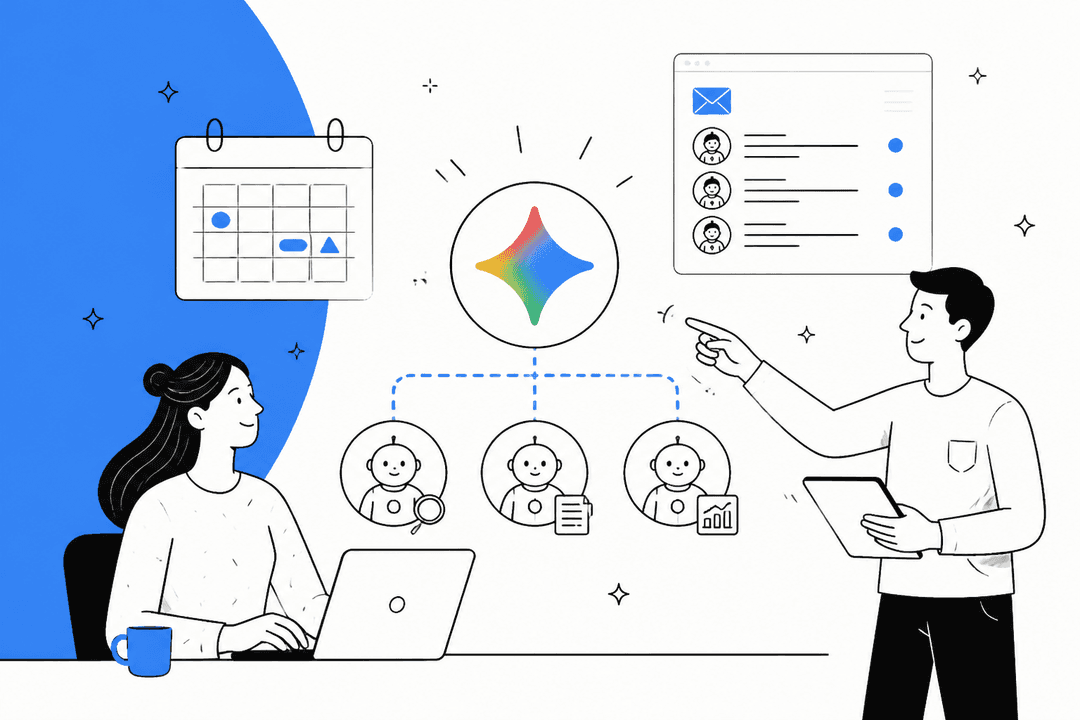
Automating repetitive tasks frees your team for high-value work

The pattern is clear: AI performs well at work that's routine, repetitive, and rules-based. The moment you need judgment, creativity, or emotional intelligence, you need a human.

Where human support still wins

There are situations where only a human will do. Understanding these boundaries is critical for building a support strategy that actually serves your customers.

Emotional intelligence and empathy. When customers are frustrated, anxious, or upset, they don't want efficient answers. They want to feel heard. A chatbot responding "I understand your frustration" doesn't land the same way as a human who actually does. According to a 2025 Kinsta survey of 1,011 U.S. consumers, 93.4% prefer interacting with a human over AI, and 88.8% think companies should always offer the option to speak with a person.

Complex problem-solving. Multi-layered issues that require connecting dots across systems, policies, and context trip up AI. A human agent can think creatively, make judgment calls, and find solutions that aren't in any playbook.

Building trust and rapport. For high-value relationships, customers want to know there's a person who understands their history and has their back. This is especially true in B2B, financial services, healthcare, and any industry where stakes are high.

Handling exceptions. Policies exist for a reason, but real life is messy. Sometimes the right thing to do is make an exception. AI struggles with this. Humans can read the situation and decide when to bend rules to preserve a relationship.

Escalations and high-stakes situations. When something has gone seriously wrong, customers need to talk to someone with authority and accountability. An AI can't take responsibility or make things right in the way a human can.

The Kinsta survey found that 78.3% of consumers believe humans resolve problems faster than AI, and 84% say humans are more accurate. This might seem counterintuitive given AI's speed, but it reflects a key truth: speed to the wrong answer isn't helpful. Humans understand context and intent in ways AI still can't match.

The hybrid model: best of both worlds

The companies winning at customer experience right now aren't choosing sides. They've built hybrid support models where AI handles volume, speed, and routine, while humans handle emotion, complexity, and judgment.

Here's what this looks like in practice:

Tiered handling. AI acts as the first responder for simple queries. When complexity, emotion, or value thresholds are hit, the conversation escalates to a human with full context. The customer never repeats themselves.

Agent augmentation. Human agents work alongside AI Copilot that surfaces relevant knowledge base articles, suggests responses, and automates data entry. Agents look smarter and work faster without the tedious parts of the job.

Proactive outreach. AI monitors for risk signals, late deliveries, or usage drops, then triggers outreach before frustration builds. Humans handle the actual conversation when it requires nuance.

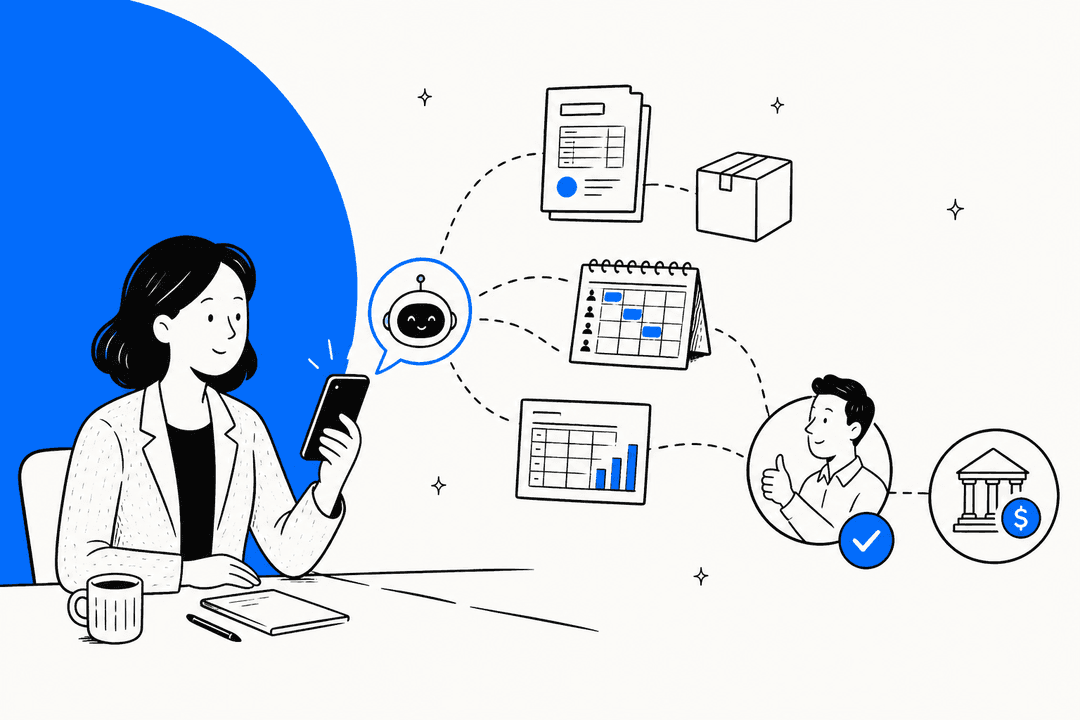
Seamless handoff between AI and humans for faster resolution

The results speak for themselves. According to Kayako's research, Bank of America's virtual assistant Erica has handled over 3 billion client interactions, with 98% of clients finding what they need. The system saves the equivalent of 11,000 staffers' daily work, yet seamlessly routes to humans when needed. Customers are more satisfied with BofA's mobile app than any other national bank, according to J.D. Power.

But the hybrid approach isn't just about adding AI. Sometimes it's about knowing when to pull back. According to industry reports, Klarna made headlines in 2024 when their AI assistant handled 2.3 million conversations in its first month, doing the work of 700 full-time agents. But by mid-2025, they were actively recruiting human agents again. Their CEO explained: "I just think it's so critical that you are clear to your customer that there will always be a human if you want."

The lesson? AI can handle volume, but removing human access entirely carries real risks. The best approach uses AI to amplify your team, not eliminate it.

How to decide: AI, human, or both?

Building a decision framework helps you route tickets to the right resource consistently. Here are the questions to ask:

What's the complexity? Simple, well-defined problems with clear answers are perfect for AI. Multi-variable issues requiring judgment need humans.

What's the emotional stakes? Frustrated customers, sensitive topics, or high-stress situations need human empathy. Routine inquiries don't.

What's the customer value? Your highest-value customers might warrant human attention even for simple requests. The relationship matters.

What's the urgency? AI can respond instantly at any hour. If it's 3 AM and the issue is straightforward, AI wins. If it's complex and urgent, you might need to wake a human.

Is this a teaching moment? Sometimes the goal isn't just solving the ticket but educating the customer. Humans are better at reading comprehension and adjusting explanations.

The key is seamless handoffs. When AI escalates to a human, the context should transfer completely. The human should know what was already tried, what the customer has already said, and why the escalation happened. Nothing frustrates customers more than repeating themselves.

Getting started with AI support

If you're considering adding AI to your support operation, the approach matters as much as the technology. Here's a proven path:

Start with guidance, not autonomy. Like any new hire, AI should begin with oversight. Have it draft replies for human review before sending. This lets you verify quality and build confidence.

Run simulations first. Before going live, test your AI on thousands of past tickets. See how it would have performed. Measure resolution rates. Identify gaps. This is your chance to tune and improve without touching real customers.

Progressive rollout. Begin with specific ticket types or queues where AI can clearly add value. Expand scope as the AI proves itself. Eventually, you can level up to full autonomy for appropriate cases.

Train on your actual data. The best AI support isn't generic. It learns from your past tickets, help center articles, macros, and brand voice. The more it understands your specific business, the better it performs.

At eesel AI, we approach this differently than most. We don't think of it as "configuring an AI tool." We think of it as hiring an AI teammate. You connect eesel to your help desk, and it learns your business in minutes, not weeks. It starts with guidance, levels up based on performance, and continuously improves from corrections and feedback.

eesel AI dashboard for configuring the AI agent

The difference is subtle but important. When you hire a human, you don't give them a 200-page configuration manual. You onboard them, train them, and gradually give them more responsibility as they prove themselves. That's how AI should work too.

Finding your balance

The AI support vs human support debate will continue, but the answer is becoming clear. Customers want fast, efficient help for simple issues. They want empathetic, creative help for complex ones. The companies that deliver both will win.

This isn't about replacing humans. It's about redeploying your best people to the work that actually requires them. AI handles the routine so humans can focus on what they're uniquely good at: building relationships, solving novel problems, and delivering experiences that create loyalty.

The technology is ready. The question is whether your strategy is.

Ready to hire an AI teammate for your support team? Try eesel AI free or book a demo to see how it works with your existing help desk.

Frequently Asked Questions

Neither is universally better. AI support excels at speed, scale, and handling repetitive tasks 24/7. Human support wins for complex issues, emotional situations, and building relationships. Most successful businesses use a hybrid model combining both.
According to a 2025 Kinsta survey, 93.4% of consumers prefer human support for complex issues, but they appreciate AI for quick, simple tasks. The key is giving customers choice and seamless escalation to humans when needed.
Automate routine tasks like password resets, order tracking, FAQs, and routing with AI support. Keep humans for complex troubleshooting, emotional situations, high-value accounts, and anything requiring judgment or creativity.
Current AI support technology cannot fully replace humans. While AI can handle 70-80% of routine inquiries, complex issues, emotional situations, and relationship-building still require human judgment and empathy.
AI support typically costs $0.03-$0.25 per minute compared to $3.00-$6.50 per human call. However, the real value comes from letting humans focus on high-impact work while AI handles volume, improving overall efficiency.
Start with AI drafting replies for human review, run simulations on past tickets, then progressively expand scope. Ensure seamless handoffs with full context transfer when escalating from AI to human support.
Not if done right. The frustration comes from AI-only support with no human option. Offer AI support for speed and convenience, but always make it easy to reach a human. Transparency about when customers are talking to AI also builds trust.

Share this article

Stevia Putri

Article by

Stevia Putri

Stevia Putri is a marketing generalist at eesel AI, where she helps turn powerful AI tools into stories that resonate. She’s driven by curiosity, clarity, and the human side of technology.

Ready to hire your AI teammate?

Set up in minutes. No credit card required.

Get started free